The Ultimate Guide to Fluffy Cake Flour Biscuits: Easy Recipe & Baking Tips
These Cake Flour Biscuits are incredibly tender, deliciously buttery, and rise to impressive heights. Through extensive testing with various flour combinations, this recipe consistently delivers bakery-quality layers without the dense, heavy texture that can sometimes plague homemade biscuits. The secret to achieving their soft crumb and perfect lift is surprisingly simple: using cake flour. Cake flour creates a softer, lighter bite that will elevate your biscuit experience.
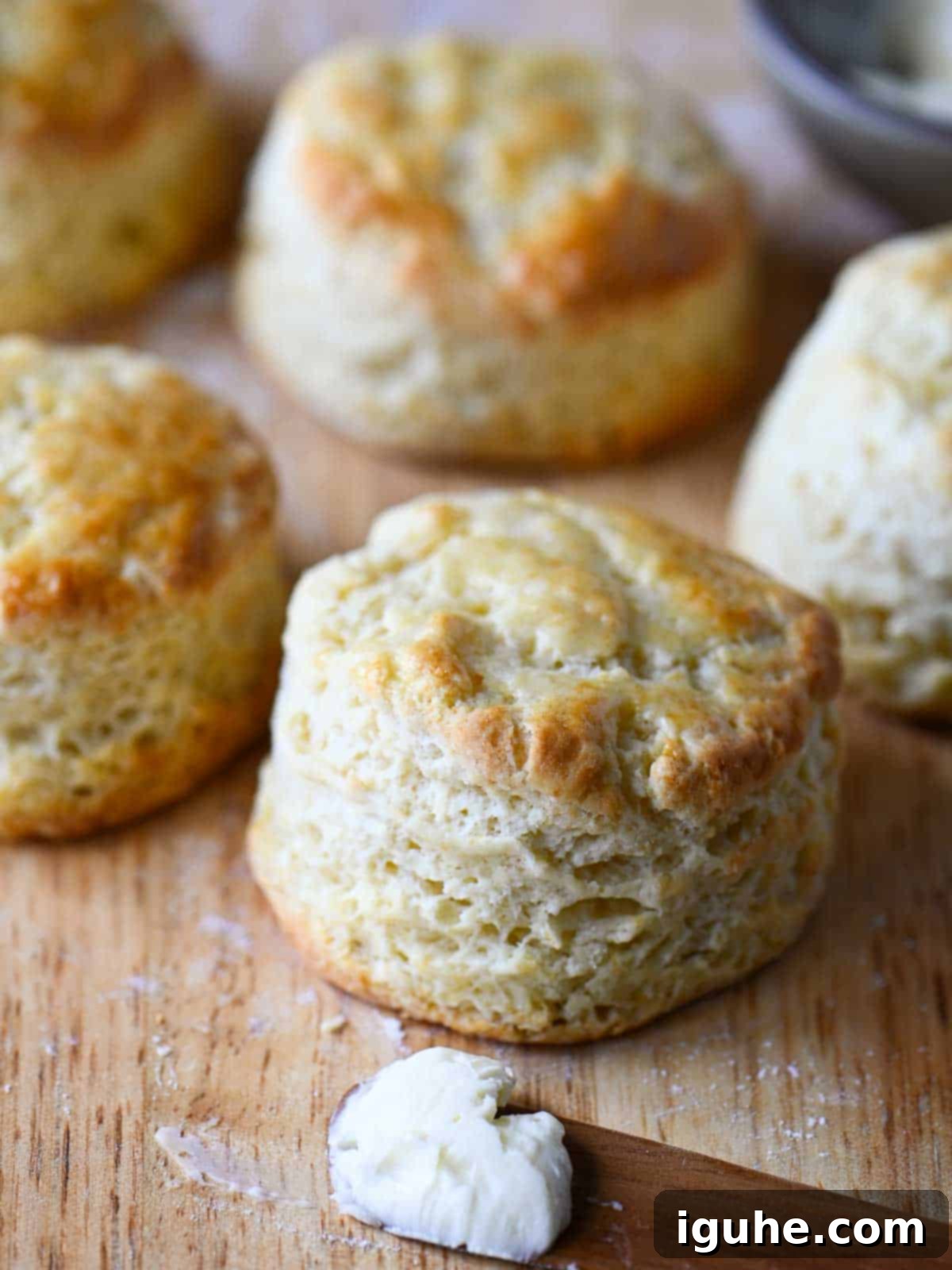
After seven years of sharing recipes, I realized I was missing a basic, dependable biscuit recipe (hard to believe, right?). While I do have my savory cheddar biscuits (which are absolutely delicious), I wanted to develop a go-to, versatile biscuit recipe that would complement just about anything. These cake flour biscuits are the answer!
My goal was to create a biscuit recipe that ticked all the boxes: flaky, buttery, fluffy, and beautifully golden. Using cake flour makes a significant difference in achieving this. It’s a finer, more delicate flour, which translates to biscuits that stay light and tender instead of becoming dense or chewy. If you’ve ever encountered a biscuit that felt heavy or leaden, cake flour can be the solution.
The Key Ingredient: Cake Flour
The magic of these biscuits lies in the unique properties of cake flour. Cake flour has a lower protein content compared to other common flours like all-purpose or bread flour. This lower protein content directly translates to less gluten development in the dough. While gluten is essential for structure in many baked goods, in this case, we’re aiming for a lighter, more delicate biscuit. The reduced gluten helps maintain the biscuits’ signature soft and fluffy texture.
Finding cake flour is generally easy. Most grocery stores stock it near the all-purpose flour. A popular and reliable brand is Swans Down cake flour, which I often use.
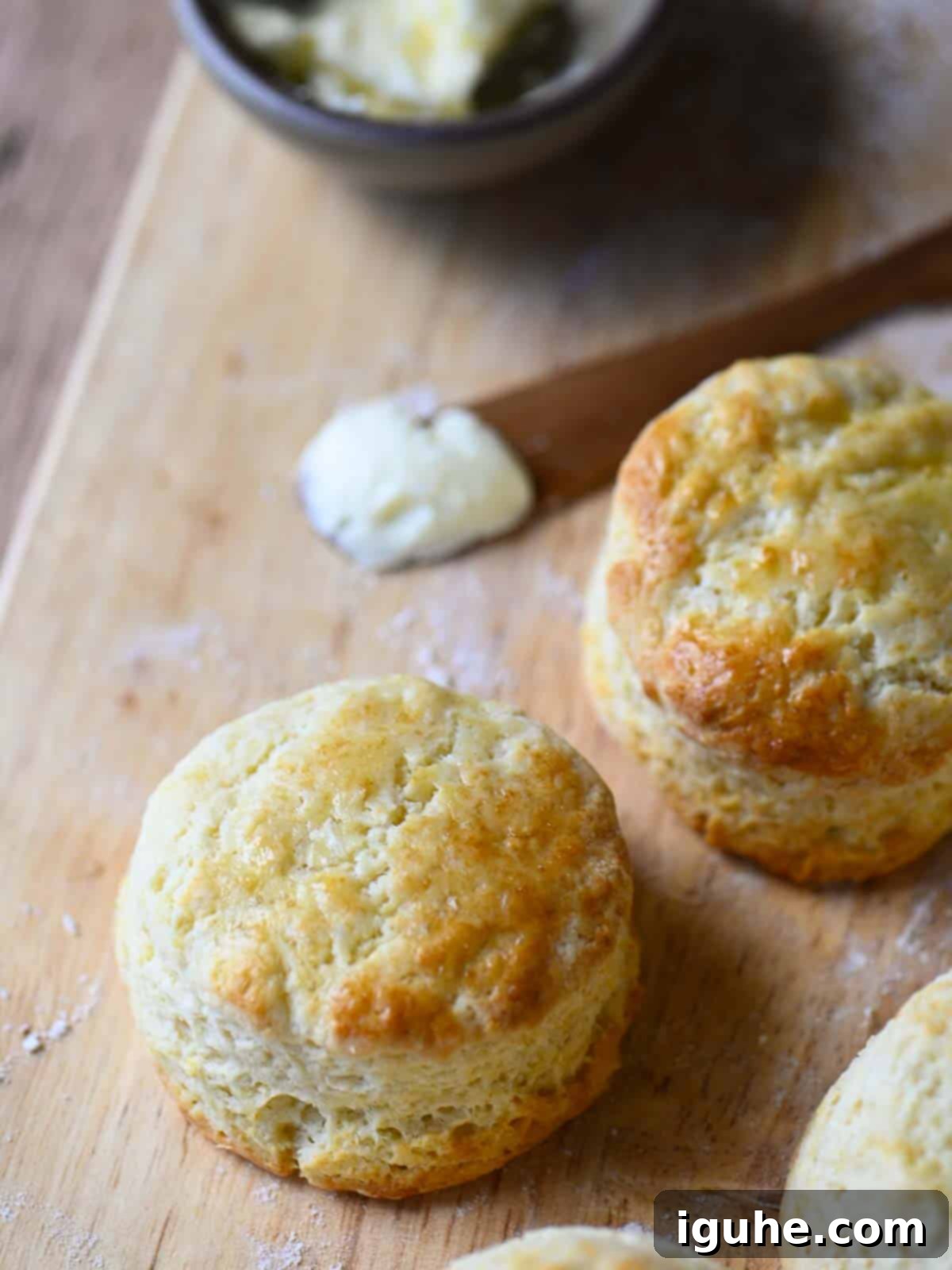
The complete ingredient list with specific measurements can be found in the recipe card below. Don’t skip it!
Easy Step-by-Step Instructions for Perfect Biscuits
Don’t be intimidated by the number of steps. Making biscuits is easier than you might think. The key is to avoid overworking the dough and to keep all your ingredients nice and cold. You’ve got this! Follow these simple steps and enjoy fresh, homemade biscuits in no time.
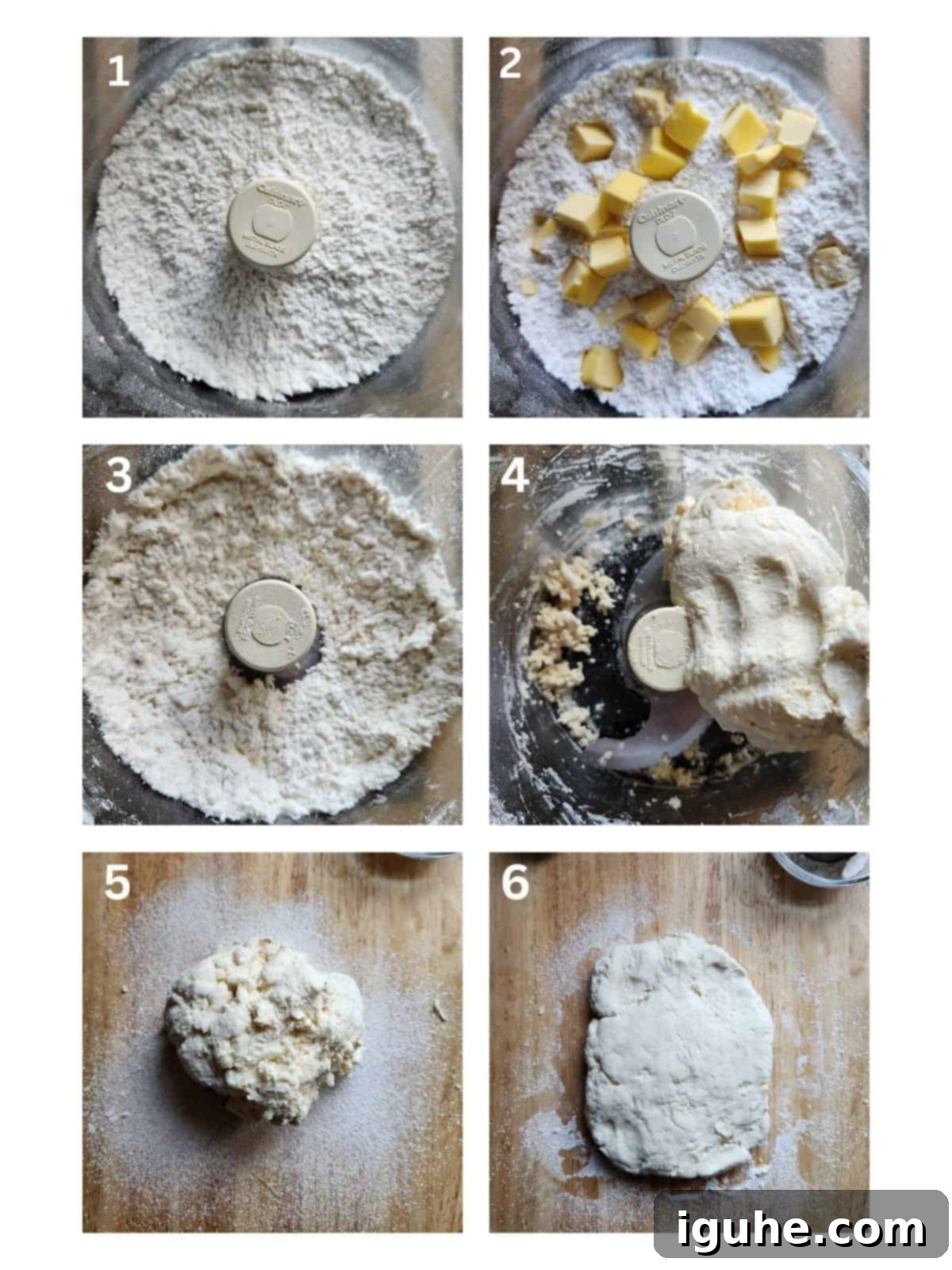
Step 1. Start by pulsing the dry ingredients together. Step 2. Add the cold butter, cut into cubes. Step 3. Pulse until the butter pieces are about the size of peas. Step 4. Add the cold buttermilk and pulse just until the dough starts to come together. Step 5. Gently gather the dough and turn it out onto a lightly floured surface. Step 6. Roll the dough into a rough rectangle, about ¾ to 1 inch thick.
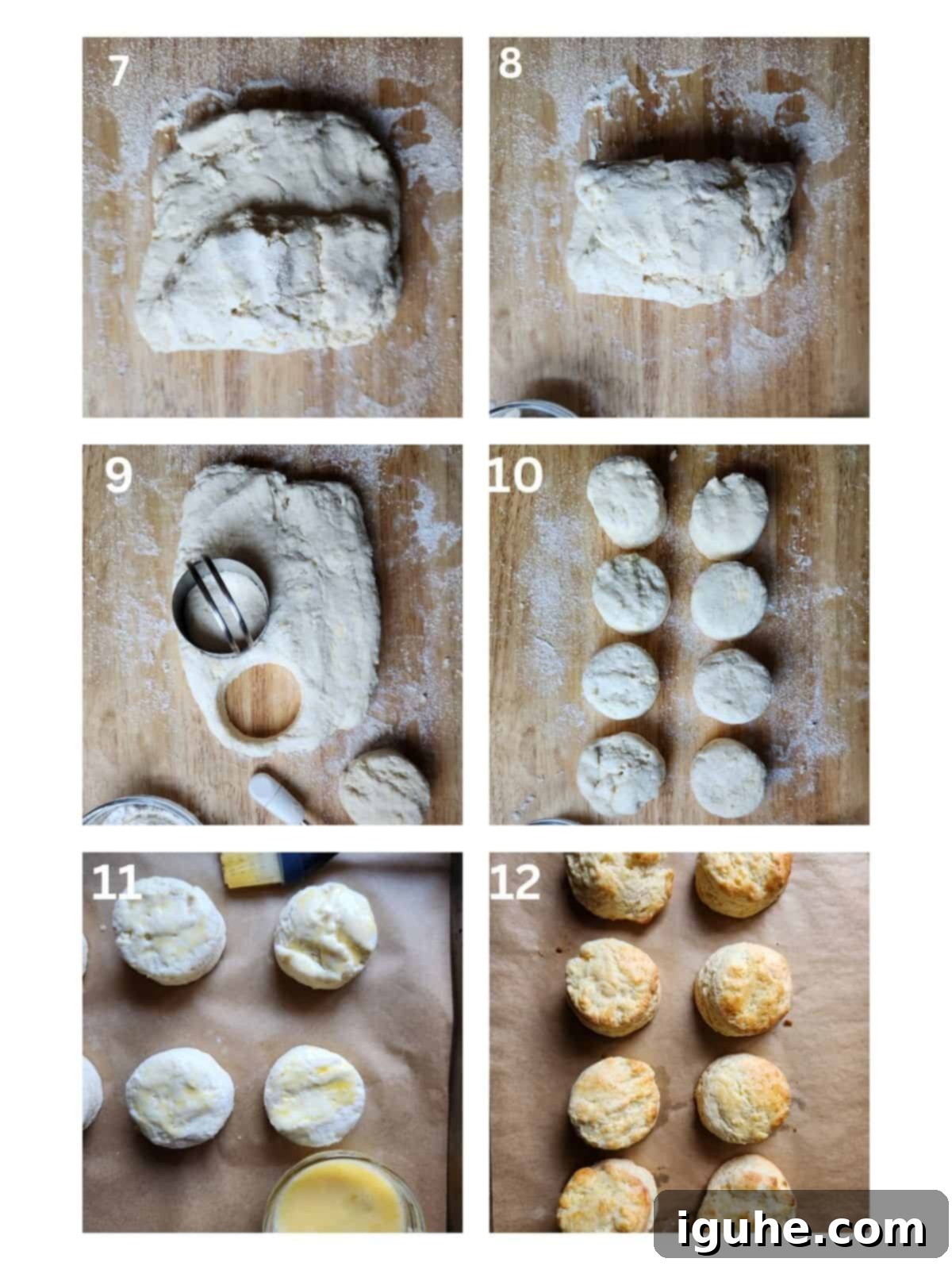
Step 7. Fold the dough in thirds, like folding a letter. Step 8. Fold the other side in the same way. Step 9. Using a sharp biscuit cutter, cut straight down into the dough (avoid twisting!). Step 10. Gently refold the remaining scraps of dough and cut out additional biscuits – you should get about 8 biscuits in total. Step 11. Place the cut biscuits on a baking sheet and chill them in the freezer for 10 minutes. Then, brush the tops with a simple egg wash (egg + buttermilk). Step 12. Finally, bake at 425°F (220°C) for approximately 12 minutes, or until golden brown and risen.
*These are abbreviated instructions to give you a quick overview. The detailed, step-by-step directions are included in the complete recipe card below.
👩🍳 Expert Tips for Biscuit Success
- Use a kitchen scale for accurate flour measurement. Measuring flour by volume (cups) can be inconsistent. A scale provides the most accurate measurement for a consistently perfect dough every time. Aim for 250g of cake flour.
- Prepare all your ingredients beforehand. Before you begin, pre-measure all of your ingredients and have your baking sheet ready. This will help you stay organized and prevent any last-minute scrambling.
- Keep ingredients super cold! While the oven is preheating, place your cubed butter and buttermilk in the freezer for a quick chill. This helps keep the dough tender by preventing the butter from melting too quickly while you’re working with it.
- Consider using a food processor. While you can certainly cut the butter into the flour using your hands or a pastry cutter, a food processor makes the job much easier and quicker.
- Don’t skip the chilling step! After cutting and placing the biscuits on the baking sheet, chill them in the freezer for another 5-10 minutes before baking. This re-chills the butter and helps create those beautiful, flaky layers. It’s also a great time to wash some dishes!
- Embrace the “wonky” biscuits. After cutting the first 6 biscuits, the dough scraps may not roll as nicely, resulting in some less-than-perfectly-shaped biscuits. Don’t worry! They’ll be just as delicious. We can call them “drop” biscuits – rustic and charming!
Delicious Biscuit Variations
Looking to add a personal touch or experiment with different flavors? Here are some simple variations that will keep the biscuits soft and fluffy while adding a little something extra to your baking experience.
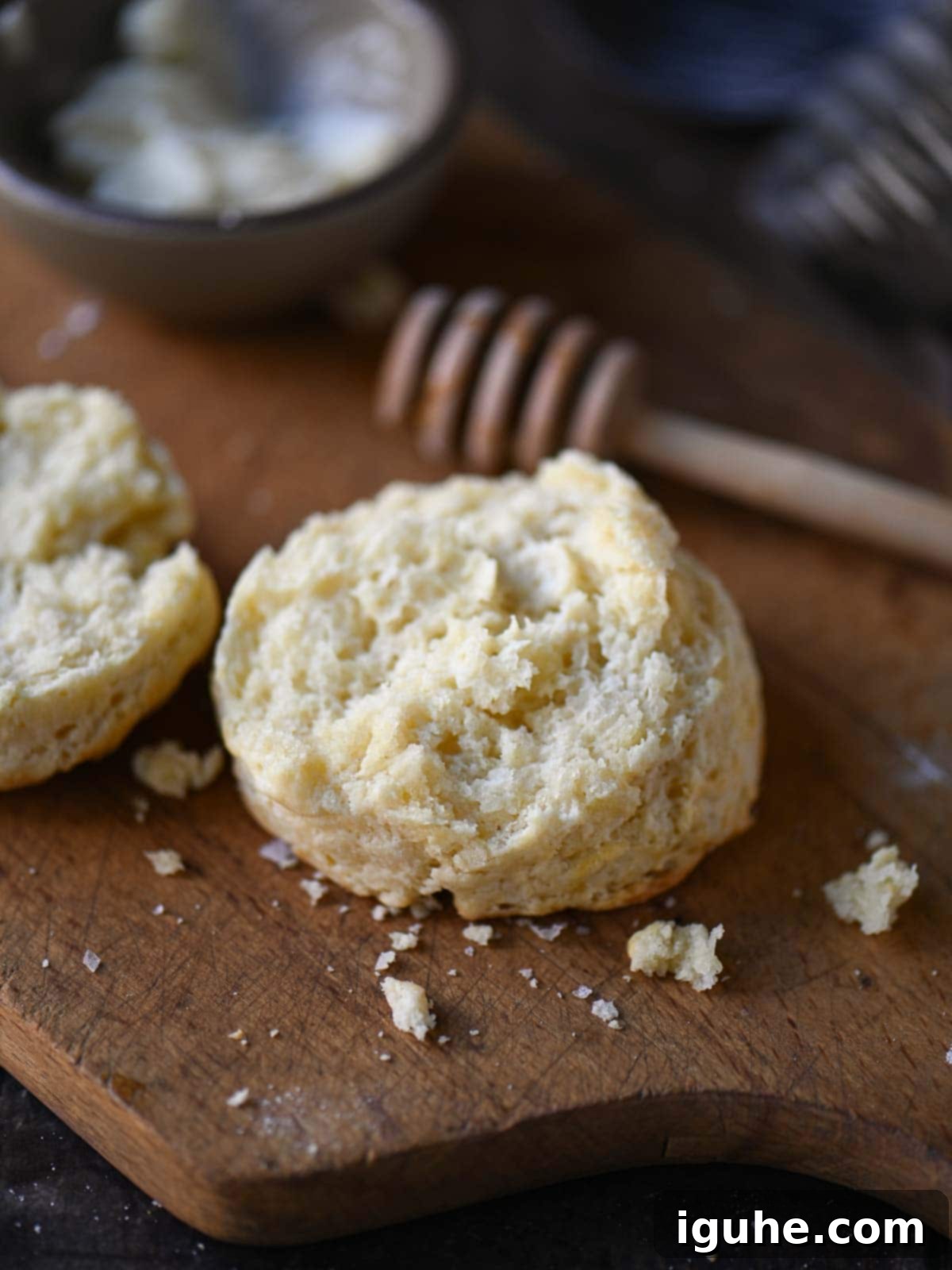
- Honey Biscuits: Substitute the granulated sugar with honey for a richer, slightly sweeter taste. Whisk the honey into the buttermilk for the best distribution.
- Cream Biscuits: Similar to these cranberry orange cream scones, replace the buttermilk with heavy whipping cream. This will produce a richer, more decadent biscuit. If using cream, omit the baking soda from the recipe.
- Make Biscuit Breakfast Sandwiches: Elevate your breakfast by layering your biscuit with scrambled eggs, cheese, and bacon.
- Transform Biscuits into Dessert: Use biscuits as the base for a delicious dessert, like this cranberry shortcake.
- Ditch the Biscuit Cutter for Drop Biscuits: If you don’t have a biscuit cutter, don’t let that stop you! Simply drop spoonfuls of the biscuit dough (or scoop it out using a large cookie scoop) onto the baking sheet. The resulting biscuits will be more rustic in appearance, but they’ll save you time and effort.
Serving Suggestions: What to Serve with Cake Flour Biscuits
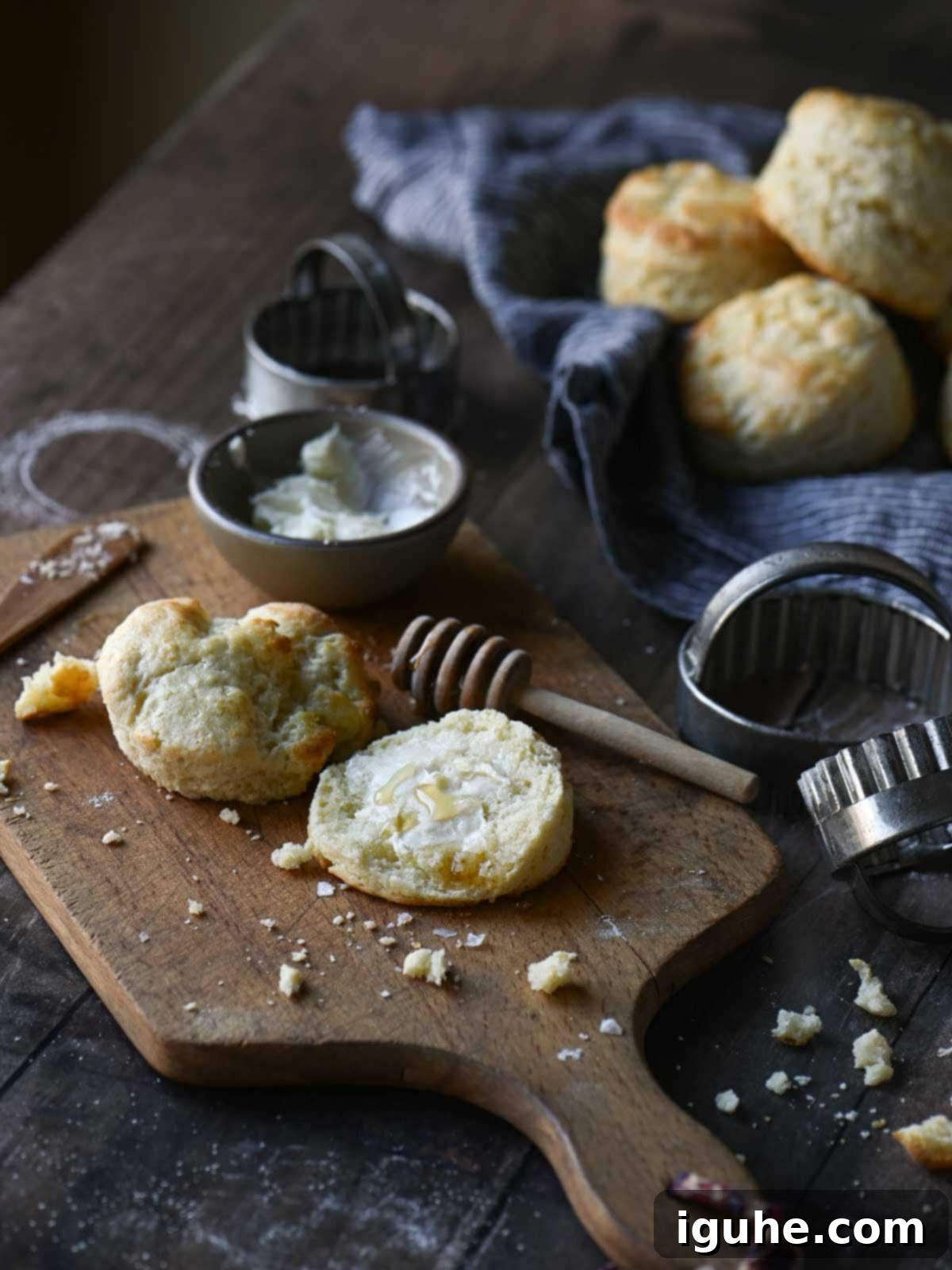
These biscuits are absolutely perfect on their own, enjoyed with a pat of softened, salted butter or a drizzle of honey. If you want to elevate your biscuit experience, try slathering on some flavored sweet or savory butter, chocolate tahini spread, bacon chutney, or some delicious homemade fruit jam.
Storage and Make-Ahead Tips
Once the biscuits have completely cooled, store them in an airtight container at room temperature for up to 2 days. To maintain their best quality, it’s recommended to consume them fresh.
For longer storage, you can freeze the biscuits. Cut the biscuits into shape first, then freeze them solid on a baking sheet (before adding the egg wash). Once frozen, transfer them to a freezer-safe bag or container. When you’re ready to bake, place the frozen biscuits directly into the preheated oven (no thawing required!). Simply add 3-5 extra minutes to the baking time to ensure they’re fully cooked through.
Frequently Asked Questions About Cake Flour Biscuits
This recipe was specifically developed and tested using cake flour. Substituting all-purpose flour will likely require adjustments to the liquid and mixing to prevent a tougher texture. If you choose to use all-purpose flour, handle the dough very gently and be prepared for a biscuit that’s still delicious, but not as light and tender as the cake flour version. To substitute, use 250g of all-purpose flour, remove 1 tablespoon, and replace it with 1 tablespoon of cornstarch. Keep in mind that the results may be slightly less tender than using cake flour.
Perfect Pairings: What to Serve Alongside Your Biscuits
Biscuits are incredibly versatile and pair well with a variety of dishes. Here are a few suggestions to create a complete and satisfying meal:
- Crispy Breakfast Potatoes
- Creamy Asparagus Leek Soup
- Bacon and Lentil Soup
- Creamy Autumn Squash Soup
Made this delicious biscuit recipe? I’d love to know how it turned out! Please leave a ⭐⭐⭐⭐⭐ rating and a comment below the recipe card. Snapped a photo of your creation? Tag @brunchandbatter on Instagram so I can see it!
📖 Recipe: Fluffy Cake Flour Biscuits